© 2026 Saad Web Designer | All Rights Reserved


Brooklyn, NYC
ADA Website Compliance for NYC Businesses: What You Need to Know to Avoid Lawsuits
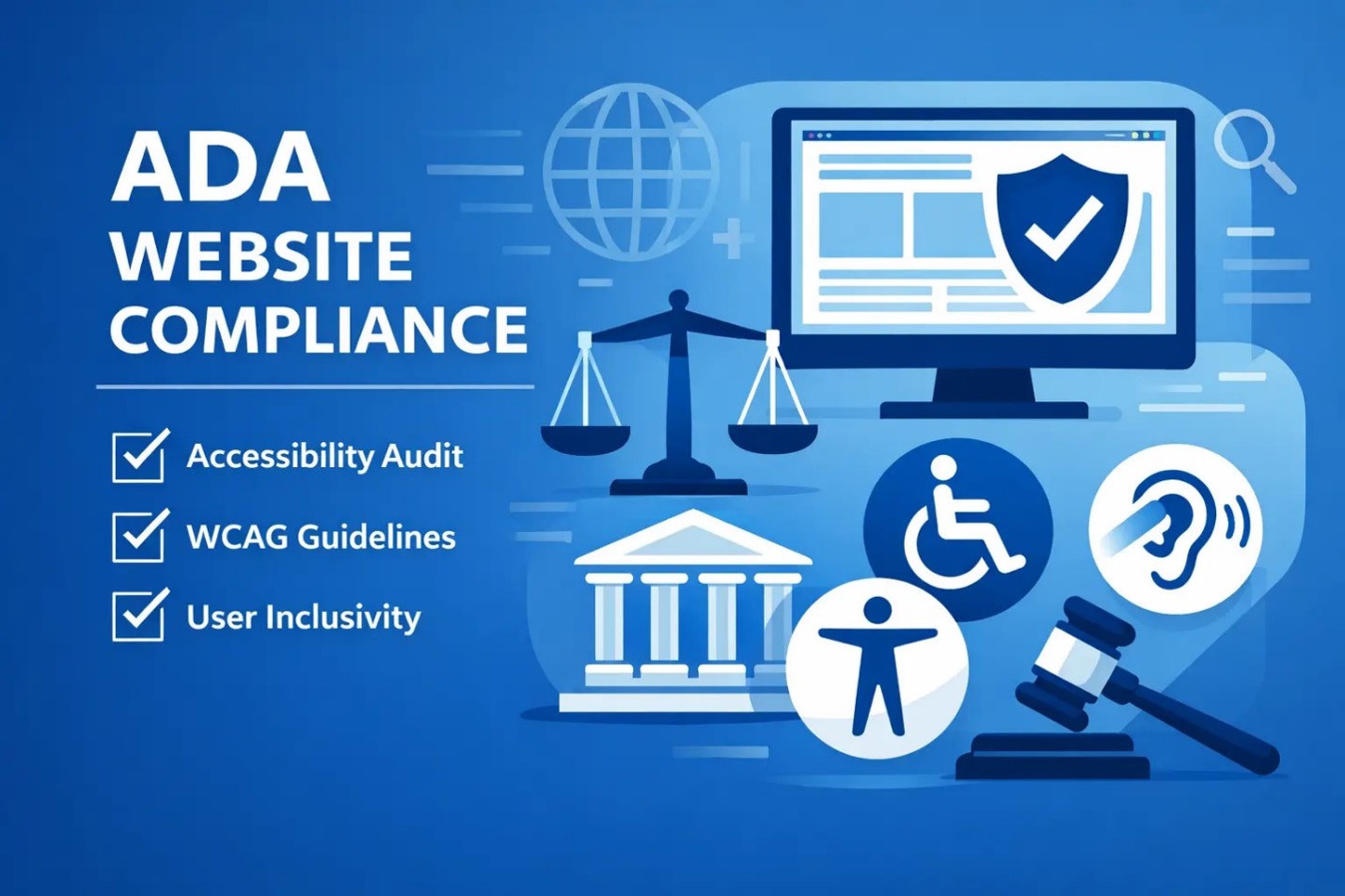
New York City has a highly competitive digital market, and simply having a website is no longer good enough. It is also important to make sure every visitor, especially those with disabilities, can get into your website. This is the fundamental reason behind a website's ADA compliance. It allows users with visual, hearing, or motion disabilities to navigate and use your website.
More NYC businesses are now being slapped with lawsuits over inaccessible websites; don't let your company become one of them. These types of lawsuits, referred to as ADA website lawsuits NYC, have been emerging more frequently as courts recognize websites as public-facing spaces that fall under the same accessibility laws. Investing in Accessible, ADA-compliant Web Design Services can help reduce legal risks while ensuring your website is inclusive and usable for everyone.
It is paramount that you understand website ADA compliance NYC requirements; not only do they protect your business, but they also help your customers. The usability itself, SEO performance, and brand reputation are also improved.
This guide will cover what ADA compliance means and why it is relevant in NYC. WCAG standards explained. Common accessibility issues, step-by-step solutions to fix them, to guide you so you have a full understanding of compliance while minimizing legal risk aspects, and improving the quality of your website.
What is ADA Website Compliance?
The Americans with Disabilities Act (ADA) is a civil rights law that protects people with disabilities from discrimination. Originally focused on physical spaces, the law is now widely applied to digital experiences as well.
When people talk about ADA website compliance, they mean designing and developing websites that users with disabilities can access and use without barriers.
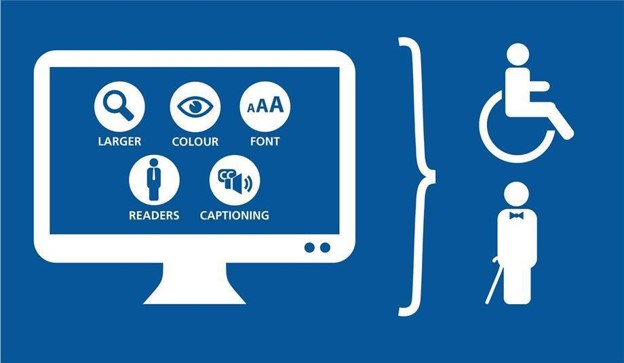
This includes visitors who may use:
● Screen readers
● Keyboard navigation
● Voice commands
● Screen magnifiers
● Captions for audio/video
● Alternative input devices
An accessible website ensures all users can:
● Read content
● Fill forms
● Navigate pages
● Purchase products
● Contact businesses
● Book appointments
For NYC companies, accessibility is no longer optional. Courts increasingly expect businesses to maintain accessible digital platforms.
Why NYC Businesses Face ADA Website Lawsuits
New York City is one of the most active regions for ADA website lawsuit NYC cases. Many businesses are targeted because their websites fail accessibility standards.
The increase in ADA website lawsuit NYC cases is mainly due to:
NYC has millions of active businesses online. Accessibility law firms often target industries with high website traffic, such as:
● Restaurants
● Hotels
● Law firms
● Medical clinics
● Retail stores
● Real estate companies
2. Growing Legal Awareness
Consumers today better understand digital accessibility rights. If users encounter inaccessible content, they are more likely to file complaints.
3. Outdated Websites
Many businesses still use old websites that were not built with accessibility in mind. Missing alt text, poor contrast, and inaccessible forms are common issues.
A large percentage of NYC consumers browse websites on smartphones. If mobile accessibility is poor, businesses may face complaints quickly. These issues are also among the Signs your Website is Hurting your Sales, as a poor mobile experience can drive potential customers away before they convert.
This is why many companies now invest in website ADA compliance NYC services to reduce legal exposure and improve customer experience.
Understanding WCAG Compliance Website Standards
WCAG compliance website standards are the global guidelines used to measure website accessibility.
WCAG stands for Web Content Accessibility Guidelines.
It is built on four principles:
1. Perceivable Users must be able to see or hear content clearly.
2. Operable Website must be navigable using keyboard or assistive tools.
3. Understandable Content must be simple and easy to read.
4. Robust The website must work with different devices and assistive technologies.
WCAG levels:
• Level A: Basic accessibility
• Level AA: Legal standard (required in most cases)
• Level AAA: Advanced accessibility
New York City ADA website compliance cases generally end up looking for Level AA as the target compliance standard. These may include, but are not limited to, correct contrast ratios, organized headings, and accessible forms.
Common ADA Website Compliance Issues
Many websites fail to comply due to small but critical mistakes.
• Missing Alt Text: Images without descriptions cannot be understood by screen readers, making content inaccessible.
• Poor Color Contrast: Low contrast between text and background makes reading difficult for visually impaired users.
• Unlabeled Forms and Buttons: Without labels, users cannot understand what information is required.
• Broken Navigation Structure: Menus that are not keyboard-friendly block users from accessing pages.
• Auto-playing Media: Videos or audio that play automatically can disturb users who rely on assistive tools.
Impact of these issues:
These problems not only harm usability but are also common triggers for ADA website lawsuit NYC claims.
Industries Most Targeted in ADA Website Lawsuits
Although any business can receive complaints, some industries face higher risks.
Restaurants: Menus, online ordering systems, and reservation forms often create accessibility barriers.
Law Firms: Legal websites receive significant traffic and must remain accessible to all users.
Healthcare Providers: Medical forms and appointment scheduling systems must support accessibility.
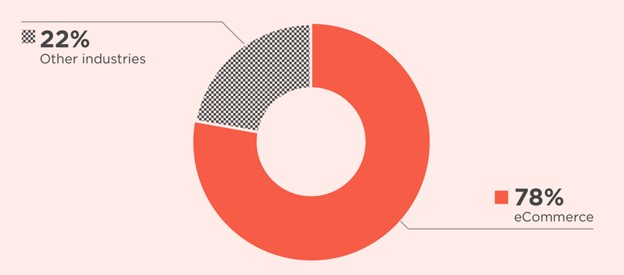
eCommerce Stores: Product pages, checkout systems, and payment gateways frequently fail accessibility standards.
Hotels and Hospitality: Booking systems are a major source of accessibility lawsuits.
Educational Platforms: Schools and training websites must provide equal access to online materials.
Businesses in these sectors often prioritize website ADA compliance NYC improvements to reduce legal risks.
What Happens During an ADA Website Lawsuit?
Many businesses are surprised by how quickly lawsuits appear.
The process often includes:
1. Legal complaint received
2. Accessibility issues documented
3. Website audit requested
4. Settlement negotiations
5. Required remediation work
6. Attorney fees and monitoring agreements
Even small businesses can face major costs.
A typical ADA website lawsuit NYC settlement may include:
● Legal expenses
● Accessibility remediation costs
● Monitoring requirements
● Time-consuming compliance reporting
Preventive compliance is usually far less expensive than litigation
Legal Risks for Non-Compliant Websites in NYC
Ignoring website ADA compliance NYC standards can lead to serious legal consequences.
- Possible risks:
1. Lawsuits filed by individuals or advocacy groups
2. Financial settlements and penalties
3. Legal defense costs
4. Forced website redesign
5. Business reputation damage
Courts now treat websites as “places of public accommodation.” This means they must be accessible just like physical stores.
Even small businesses are not exempt, making compliance essential for legal protection.
How to Make Your Website ADA Compliant
Improving accessibility requires both technical and content updates.
- 1. Start With an Accessibility Audit
An audit identifies existing compliance issues.
This usually includes:
● Screen reader testing
● Mobile accessibility review
● Keyboard navigation checks
● Color contrast analysis
● Form testing
- 2. Improve Website Structure
Use proper headings:
● H1
● H2
● H3
This helps screen readers understand content hierarchy.
3. Add Alt Text to Images
Every important image should include meaningful descriptions.
4. Ensure Mobile AccessibilityResponsive websites should remain accessible across devices.
5. Add Captions to VideosCaptions improve accessibility and user engagement.
6. Improve Form Accessibility
7. Use Accessible Fonts and Colors
Forms should:
● Include labels
● Provide error messages
● Support keyboard navigation
7. Use Accessible Fonts and Colors
Readable typography and sufficient contrast are essential for compliance.
The Cost of ADA Website Compliance
The cost depends on:
● Website size
● Number of pages
● Existing accessibility issues
● Platform complexity
● eCommerce functionality
Basic small business websites may require minor updates, while large enterprise platforms may need extensive redevelopment.
However, compliance costs are often significantly lower than defending an ADA website lawsuit NYC claim.
Investing early can save businesses from:
● Legal settlements
● Reputation damage
● Customer frustration
● Revenue loss
How Often Should Accessibility Be Updated?
Accessibility is not a one-time project.
Websites constantly change through:
● Content updates
● Plugin updates
● New features
● Redesigns
● Product additions
Businesses should perform accessibility reviews:
● Quarterly
● After redesigns
● After major content changes
● Before launching new features
Ongoing maintenance helps maintain WCAG compliance website standards over time.
Benefits Beyond Legal Protection
Many businesses initially focus on avoiding lawsuits, but accessibility offers additional advantages.
● Better User Experience: Accessible websites are easier for everyone to use.
● Improved Brand Reputation: Customers appreciate inclusive businesses.
● Higher Conversion Rates: Clear navigation and readable content improve engagement.
● Wider Audience Reach: Millions of Americans live with disabilities and rely on accessible digital experiences.
● Better Mobile Performance: Accessibility often improves mobile usability.
Investing in website ADA compliance NYC strategies can strengthen both legal safety and customer satisfaction.
Signs Your Website May Not Be ADA Compliant
You may need an accessibility review if:
● Images lack alt text
● Navigation requires a mouse
● Videos have no captions
● Text contrast is difficult to read
● Forms are confusing
● Your website is outdated
● Mobile usability is poor
● Screen readers cannot interpret pages correctly
Even modern-looking websites may still fail accessibility standards behind the scenes.
How NYC Businesses Can Stay Protected
The best way to reduce legal risks is to stay proactive.
Conduct Regular Audits: Identify problems before complaints happen.
Train Your Content Team: Employees uploading blogs or products should understand accessibility basics.
Use Accessibility-Friendly Development Practices: Developers should follow WCAG standards during updates.
Monitor Third-Party Integrations: Booking systems, chat widgets, and payment tools can introduce accessibility issues.
Keep Documentation: Accessibility reports and remediation records may help demonstrate good-faith efforts.
Businesses that prioritize ADA website compliance early are usually better positioned against legal challenges.
The Future of Website Accessibility
Accessibility requirements will likely become stricter in the coming years.
As AI, voice search, and mobile-first browsing continue growing, user expectations around accessibility will also increase.
Search engines and legal systems are both pushing businesses toward better digital inclusion practices.
For NYC businesses, accessibility is becoming part of standard website development—not an optional feature. Following an Ongoing Website Maintenance Checklist helps ensure your website remains accessible, secure, compliant, and up to date as standards continue to evolve.
Companies that invest now will likely:
● Reduce legal risks
● Improve SEO
● Strengthen user experience
● Build customer trust
● Future-proof their digital presence
Professional Help for ADA Website Compliance
Many businesses struggle with the technical requirements of WCAG compliance website standards. That is where expert support becomes useful.
At Saad Web Designer NYC, we provide complete accessibility solutions, including:
● Full ADA compliance audit
● WCAG-based fixes
● Website accessibility improvements
● Ongoing monitoring and updates
We offer professional services that aid businesses in getting their websites compliant with the ADA in NYC efficiently and affordably. You will implement and integrate our services within your site for continuous long-standing security against lawsuits surrounding accessibility issues.
Conclusion
Today, all NYC businesses with an online presence must follow ADA website compliance. The importance of ADA compliance is underscored by the rise in ADA website lawsuits in NYC; neglecting accessibility can be absolutely lucrative and disastrous. WCAG compliance website standards help businesses make their websites usable for all.
It also safeguards you against lawsuits, enhances user experience, elevates your SEO ranking, and strengthens your brand authority as far as NYC ADA compliance for your website goes. Even small improvements like adding alt text, smarter navigation, and a reader-capable design improve and render the entire website fully accessible.
Compliance is not a one-off event but a sequence of events requiring ongoing testing and updating. While most companies choose to hire professionals in order to ensure long-term effects of safety & precision. Your site simply needs to be totally accessible, not because it is the law but because it will improve user experience for all. This leads to increased trust, more engagement, and long-term company growth in the digital ecosystem.
So, contact Saad Web Designer, a trustworthy Freelance Website Designer, to create a high-performing website with ADA compliance!
FAQ's
What is ADA Compliance for Websites?
+Can small businesses in NYC face ADA website lawsuits?
+How to prevent ADA website lawsuit NYC cases from happening to businesses?
+What is the most common WCAG compliance issue?
+How often should a website accessibility audit be performed?
+Does adding an accessibility widget make my website compliant?
+