
© 2026 Saad Web Designer | All Rights Reserved


Brooklyn, NYC
Nonprofit Website Design in NYC: Donation Flows, Volunteer Signups and Impact Reporting
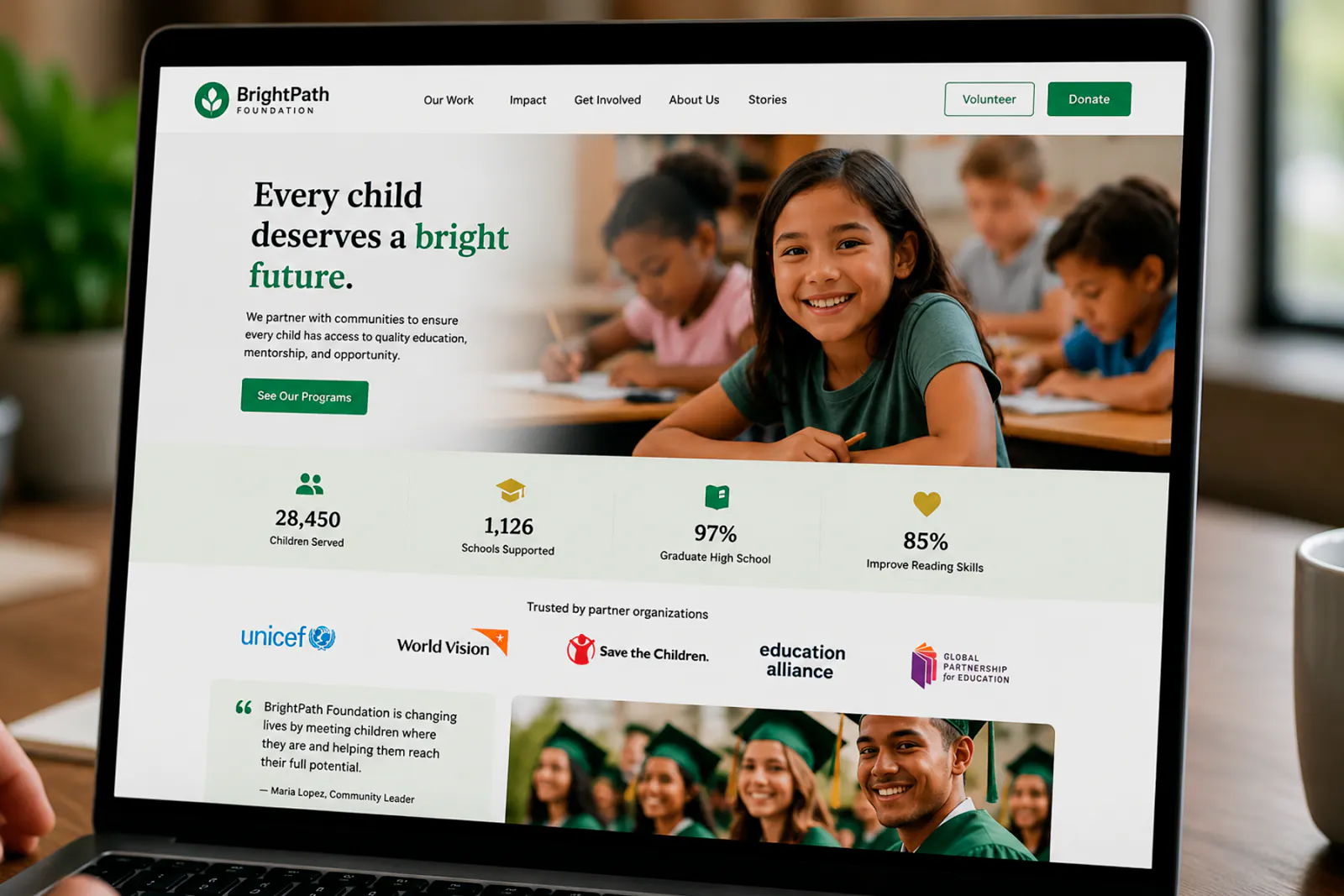
A nonprofit website has a harder job than a business website. It must ask for donations, sign up volunteers, tell impact stories, and show where the money goes, all while earning trust. Nonprofit website design NYC organisations need is design that turns a visitor into a donor, a volunteer, or a supporter, in a few clicks. A nonprofit site that does this well turns a casual visit into a donation, a signup, or a share.
This guide covers the pieces that make a nonprofit site work: donation journeys, recurring giving, campaign pages, volunteer forms, event calendars, impact stories, and local discoverability. Nonprofit web development New York charities should put the mission first, and make every action simple. Each section below covers one piece, so you can build or fix your site one step at a time.
1. What a Nonprofit Website Has to Do
A nonprofit site serves many people at once. Donors want to give, volunteers want to help, and the community wants to know what changed. The homepage should answer all three in seconds, with clear buttons for donate, volunteer, and learn more. A clear menu helps too, since a visitor who cannot find the donate button will not search for it.
Keep the mission visible on every page. A short line about what the organisation does, and who it helps, reminds every visitor why they are there. When the mission is clear, the next step feels natural, not like a sales pitch. A short mission line in the footer keeps the purpose visible on every page of the site.
2. Donation Journeys: From First Click to Thank You
A donation journey should take minutes. The visitor clicks donate, picks an amount, adds their details, and pays. Every extra step loses donors, so the form should ask for little, and the payment should work on a phone. Donation website features that matter most are a clear amount choice, a simple form, and a payment that works the first time. Offer a few preset amounts, since most donors pick one instead of typing their own.
Thank the donor at once. A confirmation page, a receipt, and a short message about what the gift will do. A donor who feels thanked gives again, and a donor who hears nothing wonders where the money went. A receipt with the nonprofit's name and registration number also helps at tax time.
3. Recurring Giving: Small Gifts That Add Up
A monthly gift of a small amount adds up to more than a single large gift, and it gives the nonprofit a steady income. Nonprofit website design NYC charities use should make monthly giving easy, with a clear monthly option beside the one-time gift. Monthly donors are also more likely to stay for years, which makes planning easier.
Show what a monthly gift does. A short line, like what ten dollars a month provides, turns a number into a story. Let donors change or cancel their monthly gift easily, since a gift that feels like a trap is a gift that stops. A small thank-you note each year reminds monthly donors that their gift still matters.
4. Volunteer Signups That Actually Work
Volunteers are the heart of most nonprofits, and the signup form is where they start. A volunteer signup website should ask for little: name, contact, availability, and skills. A long form scares people away, while a short one gets filled in. A signup that takes two minutes gets twice as many volunteers as one that takes ten.
Show what volunteers do. A photo, a short story, and a list of roles, so a visitor can see themselves in the work. After signup, send a welcome message at once, with the next step, so a new volunteer never wonders what happens next. A short video of volunteers at work can inspire more signups than a long description.
5. Campaign Pages: One Story, One Goal
A campaign page tells one story and asks for one thing. A fundraiser for a shelter, a food drive, or a school program, each with its own page, its own goal, and its own progress bar. Nonprofit web development New York campaigns need keeps each page focused, so the visitor never wonders what the money is for. A clear goal, like raising enough for one shelter, is easier to share than a vague target.
Update the page as the campaign moves. A progress bar that climbs, a photo from the field, a short update. When donors see progress, they share the page, and a shared page brings new donors. A campaign page should also work on a phone, since most donors share links from their phones.
6. Event Calendars: Fill the Room
Events bring a nonprofit to life. A gala, a fundraiser, a volunteer day, each needs a page with the date, the place, and a signup button. An event calendar should show the next event first, with the details a visitor needs to decide in seconds. A calendar with a simple signup button turns a visitor into a guest in one click.
Let people sign up from the event page, and send a reminder before the day. A calendar that is out of date hurts more than no calendar, so remove past events quickly, and keep the next one front and centre. Photos from past events show new visitors what to expect, and that they will be welcome.
7. Impact Stories: Show What Changed
Donors give to change, not to a website. Impact stories show what changed because of their gift: a family housed, a child taught, a park cleaned. Donation website features should include space for these stories, with photos and short quotes from the people helped. A quote from a person helped by the nonprofit carries more weight than any statistic.
Keep the stories honest and specific. A real name, a real place, and a real result beat a vague claim every time. Update the stories often, so a returning donor sees something new, and the site feels alive. Stories also help with grants, since funders want to see real results, not just plans.
8. Local Discoverability: Be Found in Your Borough
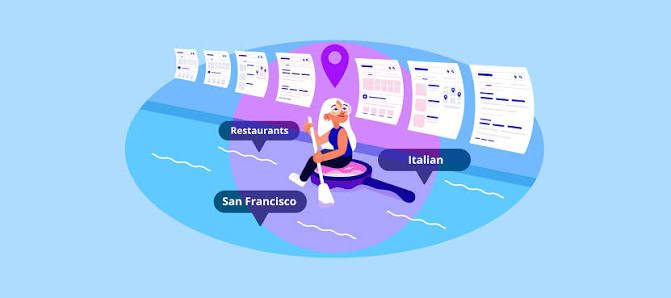
A nonprofit serves a place, and people search by place. A donor in Brooklyn searches for charities in Brooklyn, not for charities in general. Local discoverability means the site names its boroughs, its neighbourhoods, and its service areas, so search engines match it to local searches. A service-area page for each borough helps the site rank for searches like charities in Queens.
Location pages help, and so does a Google Business Profile with the right address and hours. The Local SEO for NYC Small Businesses guide explains how location content, on-page SEO, and local listings work together. The same ideas apply to a nonprofit site that wants to be found by its neighbours. Ask donors to leave a review on Google, since local reviews build trust with new visitors.
9. Trust: Where the Money Goes
Trust is the currency of a nonprofit. Donors want to know where the money goes, and the site should show it plainly. A simple breakdown, a yearly report, and a clear statement about how gifts are used. A yearly report that is easy to read shows donors the organisation has nothing to hide.
Show the people behind the work too. A board list, a staff page, and contact details that are easy to find. When a donor can see who runs the organisation, and how to reach them, trust grows, and giving follows. A contact page with a real phone number and address also tells donors the nonprofit is real.
10. Getting It Built: Working With a Developer
A nonprofit website needs a developer who understands donors and volunteers, not just design. Website Developers in NYC who have built nonprofit sites before will ask about donation flows, volunteer forms, and impact stories before they ask about colours.
Ask to see a nonprofit site the developer built. Donate a small amount, sign up as a volunteer, and see how it feels. If the flow is smooth, the developer understands nonprofits. If it is clumsy, keep looking. The right developer builds a site that serves the mission, not just the brand. A developer who asks about your donors first, and your design second, is the one to hire.
Conclusion
A nonprofit website works when it turns visitors into donors and volunteers. A volunteer signup website that asks for little, and a donation flow that takes minutes, do exactly that. Every button, form, and story on the site should serve that one goal. Start with the mission, build the donation and volunteer flows around it, and show the impact. The right website turns a visit into support that lasts.
Start with the gallery, not the colors. Add one page per area, keep the form short, and make the call button easy to find. A site that shows real work earns real calls, and real calls become real jobs.
FAQ's
What does a nonprofit website need most?
+How can a nonprofit accept donations online?
+Do nonprofits need local SEO?
+How do I show impact on a website?
+What makes a volunteer signup form work?
+