© 2026 Saad Web Designer | All Rights Reserved


Brooklyn, NYC
Restaurant Website Design in NYC: What Every Food Business Needs to Succeed Online
A restaurant's online presence is now essential in a city as fast-paced and competitive as New York. Whether you operate a trendy food truck in Queens, a fine dining restaurant in Manhattan, or a little café in Brooklyn, your website frequently serves as the initial point of contact for potential customers. For visibility, reputation, and expansion, Restaurant Website Design NYC has become a vital investment.
Modern diners demand ease, accessibility, and a flawless online experience in addition to delicious meals. Every step of the customer journey should be supported by your website, from perusing menus to making reservations and placing orders. This article examines what constitutes a successful Restaurant Website Design in New York, how much it usually costs, and what elements are required to compete in the city's vibrant food sector.
Why Restaurant Website Design Matters in NYC
One of the world's most digitally linked markets is New York City. Both tourists and residents rely significantly on mobile devices and search engines to find restaurants. You may have the risk of losing potential customers before they even enter your business if your website is out-of-date, slow, or challenging to use. Custom Web Design for Restaurants and Food Businesses helps create visually appealing, mobile-friendly websites that showcase menus, encourage reservations, and turn online visitors into loyal customers.
There are several uses for a well-designed restaurant website:
● Increases credibility and trust
● Increases online exposure with SEO
● Facilitates online buying and reservations
● Highlights your brand's identity
● Turns visitors into paying customers
A professional and well-optimized website is a crucial differentiation in the thousands of restaurants competing for customers' attention.
Understanding the Goals of a Restaurant Website
Understanding the goal of your website is crucial before you start designing. The majority of NYC restaurants' websites seek to:
● Display the menu.
● Allow online ordering or bookings.
● Provide your location and phone number.
● Highlight the atmosphere using images.
● Encourage marketing and SEO initiatives.
These objectives don't change whether you are designing a small restaurant website design or operating a fine dining establishment.
Core Elements of Successful Restaurant Website Design
Your website needs to be more than just aesthetically pleasing if you want to thrive in NYC's competitive industry. It should be user-focused, quick, and functional. The following are the fundamental components that every restaurant website should have:
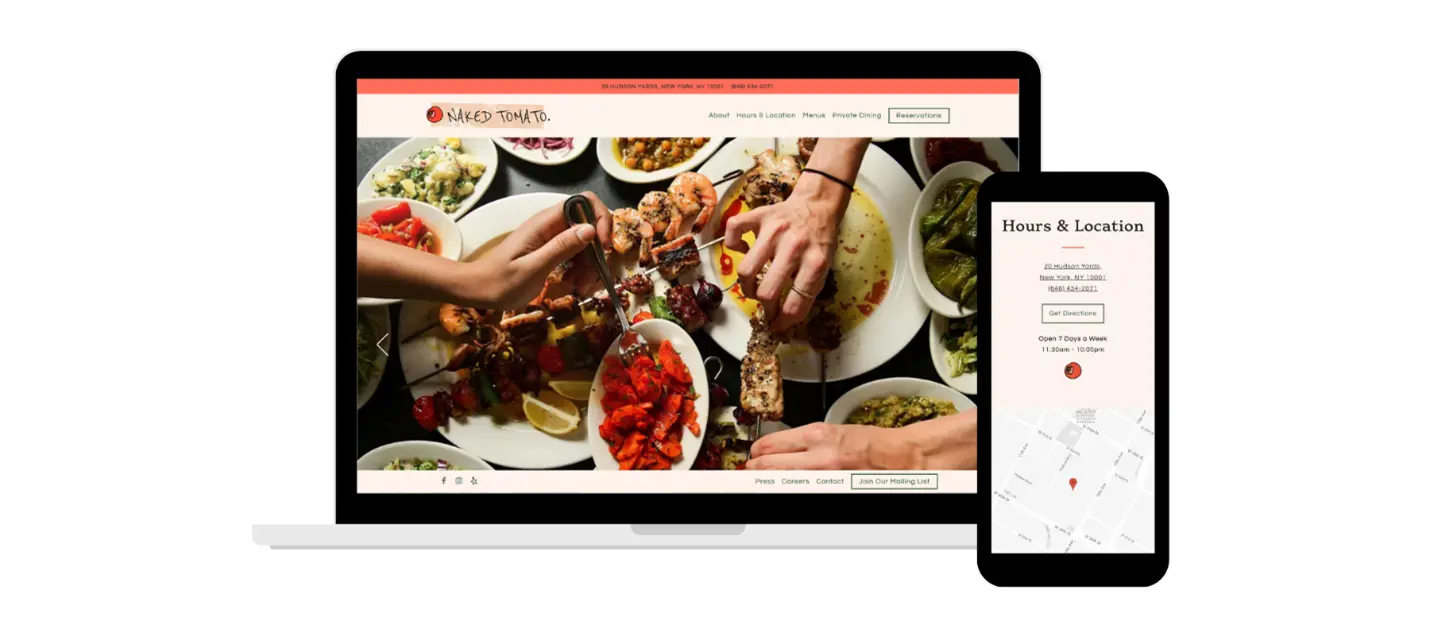
Mobile-Responsive DesignA large number of customers use their smartphones to look for restaurants. Your website needs to adjust to various screen widths with ease. Users may simply browse menus, discover directions, and make appointments while on the go; this is all because of mobile responsiveness.
Clear NavigationIt should be simple to navigate your website. It should only take one or two clicks to reach important sections, like Menu, About, Contact, and Reservations. User annoyance and higher bounce rates might result from confusing navigation.
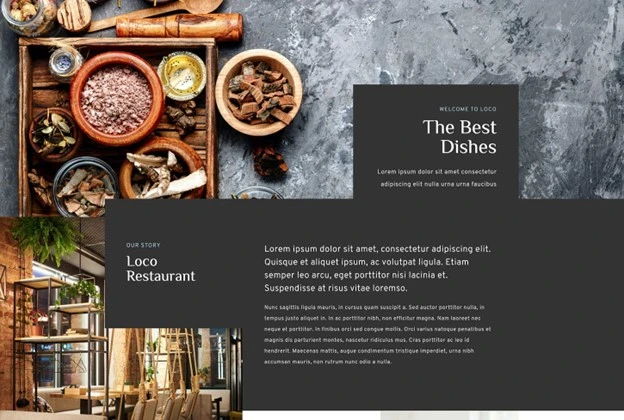
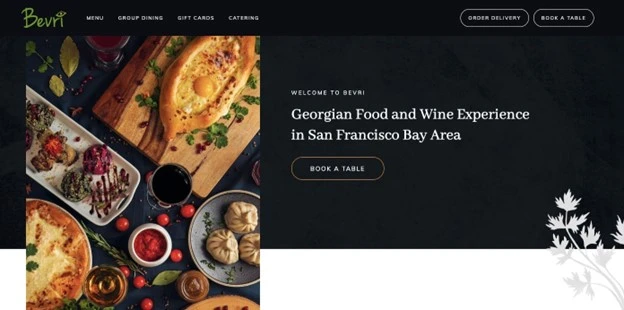
High-Quality VisualsExpert photos of your cuisine, ambiance, and interior design are essential for attracting customers. In the restaurant business, where presentation is just as important as taste, visual storytelling is especially significant. Tips for a Successful Ecommerce Website Design, such as using high-quality visuals, clear calls to action, intuitive navigation, and fast-loading pages, can also help businesses increase engagement and conversions. Local SEO Strategies for NYC Small Businesses can further increase your restaurant's visibility by helping nearby customers discover your business through local search results and Google Maps.
Updated MenuYour menu should be simple to navigate, updated frequently, and suited for desktop and mobile users. For improved SEO results, upload menus in structured HTML forms rather than PDFs.
Online Reservations & OrderingUser convenience is increased through integration with online ordering platforms or reservation systems. In NYC, where customers frequently like to reserve tables or place orders in advance, this is particularly crucial.
Location & Contact InformationMake it simple for customers to locate you. Add your phone number, address, business hours, and connection with Google Maps.
Restaurant Website Design Ideas for NYC Businesses
In a city renowned for its inventiveness and diversity, originality and creativity matter a lot. To get you started on your project, consider these successful restaurant website design ideas:
● Minimalist Design: Clear layouts with lots of white space can draw attention to your brand and food without overpowering users.
● Storytelling Method: To build a stronger relationship with your audience, tell them about your restaurant's history, the chef's training, and your sources of inspiration.
● Interactive Menus: To improve user experience, let consumers filter things based on their dietary preferences (vegan, gluten-free, etc.).
● Video Backgrounds: Short, excellent videos that highlight your dining area or kitchen can make a good first impression.
● Seasonal Updates: To keep material interesting and engaging, update your website frequently with seasonal menus, events, and specials.
Small Restaurant Website Design: What to Focus On
Budget and resources may be limited for smaller businesses. Hence, effective Small Restaurant Website Design only demands careful planning rather than a significant financial outlay.
● Give Essentials a Priority: Pay attention to essential characteristics like basic SEO, contact details, and menu presentation.
● Proper Use of Templates: Although they might provide affordable solutions, make sure the design complements your brand.
● Optimize for Local SEO: To draw in local clients, focus on location-based keywords such as "best Italian restaurant in NYC."
● Keep It Fast: Avoid big files or complex animations that cause your website to lag.
A complicated but badly designed website can be surpassed by even a straightforward, well-optimized one.
Understanding Restaurant Website Cost in NYC
A Restaurant Website Cost is one of the most frequent worries of restaurant operators. Depending on the features, complexity, and level of customization needed, the cost can differ significantly.
Basic Website ($500 – $2,000)● Ideal for startups or small restaurants
● Contains the Home, Menu, and Contact pages
● Restricted personalization
● Personalized design for your brand
● SEO and mobile optimization features
● Connectivity to reservation systems
● Completely personalized functionality and design
● Online ordering platforms
● Performance optimization and advanced SEO
● Constant maintenance and modifications
Even though it might be tempting to go with the least expensive choice, spending money on high-quality design can have a big impact on your long-term income and online success.
The Role of SEO in Restaurant Website Success
If no one can find a beautiful website, it is worthless. SEO guarantees that your website will show up when people look for restaurants in New York City.
Important SEO Techniques:Naturally use keywords, such as Restaurant Website Design in New York.
● Use alt text to enhance images.
● Create material tailored to a certain place.
● Promote customer evaluations.
● Keep your business listings consistent.
SEO is a continuous effort rather than a one-time task.
Choosing the Right Platform or Builder
Restaurant websites can be created using a variety of platforms and website builders. Each has advantages and disadvantages:
WordPress● Extremely adaptable
● Optimal for search engines
● Need some technical expertise
● Simple to use
● Beneficial to small enterprises
● Scalability issues
● Ideal for restaurants that sell packaged goods online
The choice depends on your budget, technical skills, and long-term goals.
The Role of Branding in Restaurant Website Design
The identity of your restaurant should be reflected on your website. Every component, including color schemes, typography, and photography, should complement your brand.
For instance:● A nice dining establishment might employ subdued colors and sophisticated typefaces.
● A laid-back café might choose bright colors and whimsical design.
A strong brand presence may be developed by maintaining consistency across your physical place, social media accounts, and website.
How Saad Web Design Supports Restaurant Businesses
Working with seasoned experts can have a big impact on creating a restaurant website that performs well. Saad Web Design NYC specializes in developing customized digital solutions that meet the particular requirements of NYC's culinary industry. If you are looking for a reliable Freelance Web Designer New York who understands both design and business goals, Saad delivers customized solutions that drive real results.
Instead of using generic templates, the method emphasizes:
● A unique design that captures the essence of your restaurant
● An SEO-friendly layout for increased exposure
● Mobile-first design for contemporary users
● Including necessary functions like ordering and reservations
In addition to improving user experience, a well-designed website promotes sustained business expansion.
Common Mistakes to Avoid
Many restaurant websites fail because of preventable errors, even with the greatest of intentions:
● Inaccurate information or out-of-date menus
● Poor mobile optimization
● Slow loading speeds
● Lack of calls to action
● An excessively intricate design
By avoiding these mistakes, you can surely enhance the functionality and user experience of your website.
Future Trends in Restaurant Website Design
Restaurant websites need to change to remain relevant in the ever-evolving digital market. Some new trends are:
● AI-driven chatbots for customer service
● Optimization of voice search
● Tailored user experiences
● Integration with platforms for delivery
● Advanced analytics to gain customers’ understanding
Keeping up with these trends will help your business stand out in the crowded NYC market.
Conclusion
A well-designed website is crucial in the fiercely competitive culinary business of New York City. Every component of your restaurant website, from displaying your menu to allowing online reservations, should aim to enhance customer satisfaction and promote business expansion.
You should prioritize usability, speed, and exposure, regardless of whether you are investing in a large-scale custom build or focusing on a small Restaurant Website Design. Using SEO, implementing smart restaurant website design ideas, and knowing restaurant website costs will help your company stand out in a congested digital market.
FAQ's
What does a restaurant website need?
+How to create a web page for a food business?
+How much do restaurants pay for a website?
+Which website builder is best for restaurants?
+How many pages should a restaurant website have?
+What SEO tips work for restaurant sites?
+