


© 2026 Saad Web Designer | All Rights Reserved


Brooklyn, NYC
What Makes a Business Website Effective for NYC Customers?
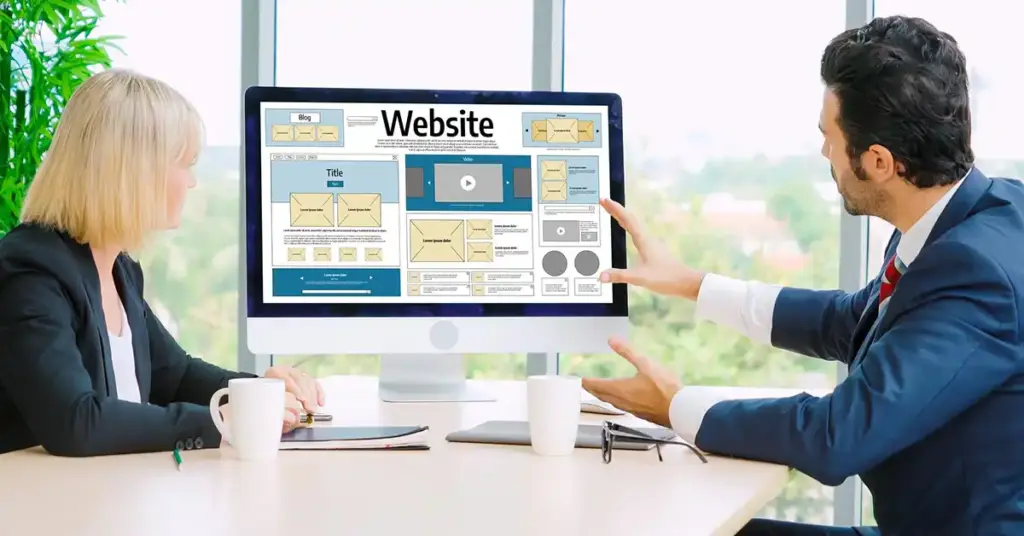
Your small business website should facilitate well for the visitors to find information about your services and take action. Making a sitemap beforehand will help you have a plan for the pages before development interruption, reducing confusion and making it easy to navigate. With website sitemap planning business owners also get clear visibility on the content required, how pages link together and what information is important over others.
It does not require dozens of pages (and a complex diagram) to start with. A simple structure that mirrors where you want your business to go (and what your customers need you to do) is all but sufficient. The main part is to be prepared for the primary sections of the website, which related data would remain together and suppose you want to reach one significant section for another page follow a pathway.
1. Speed First, Because NYC Visitors Won't Wait
A slow site loses people before they read a single word. Phones, trains, between meetings- that's where your customers are. Page drags past a few seconds? Back button. Competitor's site. Gone. And here's the part owners forget: visitors blame the business, not the connection. They don't think, " My signal is weak. They think, " This company doesn't care. That judgment lands in seconds, and it sticks.
Speed does something else too. It shapes trust. Fast feels professional. Slow feels sloppy, even if the business behind it is brilliant. Search engines notice as well. Slow pages rank worse, so fewer visitors even find you. Fix the biggest slowdown first, then measure again. Compress images, drop the video background, cut the plugins you never use. Low speed wins keep visitors around, and visitors who stay are the ones who convert. Run the test monthly, because new images and new plugins quietly slow things down again.
2. One Clear Next Step on Every Page
Every page needs exactly one job. Call. Book. Enquire. Buy. Pick one, just one. Hand visitors five buttons and guess what, they click none of them. Choice sounds generous, but on a website it feels like work, and busy people refuse extra work. So decide the single most important action for each page, then build the whole page around it. The headline supports it. The copy supports it. The button is big, obvious, impossible to miss.
Sounds too simple, right? That's what everyone says, then they look at their own site and find four buttons fighting for attention. A services page should end with booking. A contact page should make calling effortless, one tap. A product page should lead straight to checkout, not to a blog post. Quick test: open any page and count the buttons. More than two competing actions? Strip it down. One page, one job, one button that matters.
3. Trust Signals New Yorkers Recognize
New Yorkers size up credibility in seconds. Real photos. Honest reviews. Prices you can actually see. An address that looks real. Hide the prices, hide the contact info, and people assume the worst. And reviews matter more than most owners think, way more. A handful of recent, specific reviews beats a hundred vague five-star ratings from three years ago. Show the work. Show the faces behind it. Show the prices. One honest review that mentions a real result is worth more than a page full of stars.
A Freelance Web Designer NYC businesses already trust can help you put those signals where eyes go: top of the page, next to the button, on the contact page. Trust buried at the bottom of the site? Might as well not exist. Put your best review near the top, your phone number where thumbs can reach it, your prices where nobody has to hunt. Visitors decide in seconds whether you're legit. Give them proof before they even ask.
4. Local Details That Make Visitors Stay
An effective business website NYC visitors trust talks like a local. Not like a corporation pretending to be local, but like an actual local. Name the neighborhoods you serve. Drop details only someone who knows the city would know. Generic copy could be any business, anywhere. The local copy says: we're here, we know this place. Mention the subway stop near your office. The streets you deliver to. The areas you cover on weekends.
Local detail does quiet work, the kind nobody notices until it's missing. Service areas, directions, neighborhood names, they answer questions before visitors ask them. Fewer questions hanging in the air, the faster they reach out. That's the whole trick. It helps with local search too, because search engines reward pages that mention real places. So don't hide your location in the footer. Say it proudly, in the copy, on the service pages.
5. Mobile First, Because That Is Where Customers Are
Most NYC customers meet you on a phone first. Full stop. Tiny buttons? Cramped text? A form asking for your life story? They're gone. Build for the small screen first, desktop second. Mobile is not the smaller version of your site. And here's the mistake I see most: owners check their site on a big office monitor and call it done. Your customers aren't on a monitor. They're on a cracked phone screen, one thumb, bad signal, two minutes to spare.
Try it yourself tonight, seriously. Phone in hand. Find a service. Read the price. Tap to contact. Wherever you stumble, your customers quit, right there. Fix those spots first, before anything else.
Smooth mobile journey, browsers turn into enquiries. And test the form too, because forms kill more conversions than anything else. Short forms. Big tap targets. No tiny text. No pop-ups covering the screen. Do the test with a friend who has never seen the site, and watch where their thumb hesitates.
6. Content That Answers Real Questions
Visitors don't just want a pretty site. They want answers, and they want them now. What does it cost? How long does it take? Do you serve my area? What happens after I enquire? A website that answers these questions on the page itself wins the enquiry. A website that hides the answers behind a contact form loses it. So write the answers plainly, on the pages where people ask them. Service pages should carry prices, or at least price ranges.
And keep the content fresh, please. Old blog posts from three years ago, expired offers, broken links, visitors notice all of it, and each one chips away at trust. A short monthly check is enough. Fix the broken links, update the prices, add one fresh review. Content doesn't need to be long. It needs to be true, current, and useful. A website that answers real questions feels like a helpful business, and helpful businesses get the call. Every time.
7. Measure What Matters, Then Improve
You cannot improve what you do not measure, and most small businesses measure the wrong thing. Visits look good on a report, but visits do not pay bills. Enquiries, calls, bookings, orders, those are the numbers that matter. So track them weekly, not yearly. A page that gets traffic but no enquiries has a problem, and the problem is usually one of the five things above: speed, clarity, trust, local detail, or mobile. Find it. Fix it. Watch the numbers move.
And change one thing at a time. Change everything at once and you will never know what worked. Small, steady tests beat big redesigns, every time. A website is never finished, it is improved, month after month, enquiry after enquiry. The businesses that win online are rarely the ones with the prettiest sites. They are the ones that measure, test, and fix, quietly, month after month, while everyone else argues about colors.
Conclusion
Speed, one clear step, visible trust, local detail, mobile first. Nail those five, and your website starts pulling its weight like a real team member. Not overnight, but steadily. Each fix removes one more reason for visitors to leave, and that adds up fast.
Starting tonight. Check your own site on your phone. Test the speed. Find the next step. Fix the worst gap first, then the next one. Small fixes, done steadily, turn visitors into customers. And if you get stuck, start with speed; it is the fix that helps every other fix work better.
FAQ's
What is the first thing to fix on a business website?
+How many actions should a page have?
+Do website conversion tips work for small businesses too?
+How often should I review my website?
+What makes a website look trustworthy?
+Is local content really that important?
+

